Introduction
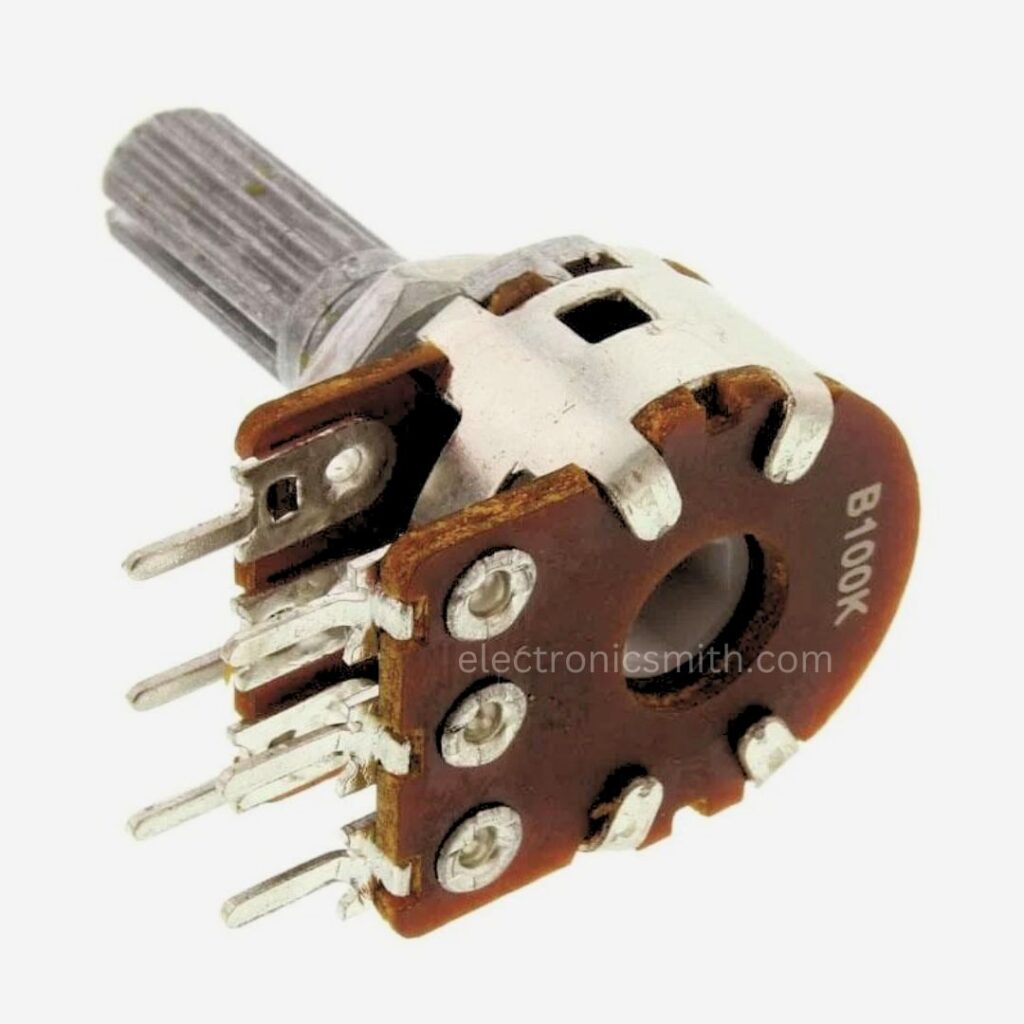
Carbon potentiometer is one of the most basic yet important devices in the world of electronics. It is a variable resistor, and in that sense, it is the behind-the-scenes hero that enables us to control volume, tune circuits, or adjust settings in thousands of devices. What makes it special? Its ability to act as a voltage divider, providing adjustable output voltage with impressive efficiency.
Carbon potentiometers, named for the resistive material used—the material, carbon, highly valued for being affordable while offering high performance and reliability—are the most abundant type of potentiometer because of their ability to provide performance at an attractive price. Two other types—wire-wound and ceramic—can also be found but make up the least number. from its resistive element—carbon—a material prized for its balance of performance, affordability, and reliability. While other types, like wire-wound and ceramic potentiometers, exist, carbon potentiometers dominate due to their versatility and cost-effectiveness.
Types and Applications
There are different ways to classify potentiometers; one method categorizes them into two groups, according to how they operate:.
Logarithmic: This is very common in audio controls, where the change in resistance simulates how humans perceive sound. which are found everywhere, from consumer gadgets such as radios and speakers to industrial and medical devices. Anything like panel mounted potentiometer in an amplifier or a PCB-mounted one in precision instruments these parts adapt to diverse needs. Other is Linear in which Resistance changes uniformly as the wiper moves.
Why Carbon Potentiometers Matter
It’s not just engineering; it’s about impact. Consider the potentiometer as a volume knob of your life’s soundtrack, setting highs and lows. These mini wonders end up in:
Music related gadgets : Volume and tone control in sound systems.
Medical gadgets: tuning of gadgets used for diagnosis.
Industrial Electronics: controlling precison.
With the increase in the electronics market in the whole world, the demand for potentiometers will only rise. And even though there are new inventions, the carbon potentiometer remains a potential business due to its reliability and adaptability.
The Making of a Carbon Potentiometer
The making of a carbon potentiometer is a mix of art and science. Here’s how the magic happens:
- Forming the Resistive Element:
A substrate, usually of ceramic or plastic, takes on its resistive track from the processes of screen printing or spraying. Thickness and pattern subsequently modify the value of resistance. - Incorporation of Wiper Mechanism:
The wiper is mounted to a rotating shaft. This wiper moves over the carbon track that varies resistance. It is this smooth yet precise movement that makes potentiometers so good. - Housing and Protection:
The assembled parts are put inside a rugged housing to shield it from wear, dust, and oxidation. A lubricant is typically applied to the carbon track for smooth operation over time.
Market Potential
Carbon potentiometers are not about to slow down anytime soon. Consumer electronics, industrial automation, and medical technology are growing rapidly, and thus the market.
Pricing Snapshot
- Basic types: Rs. 8–20.
- High-performance or specialty types: Rs. 40–80.
Manufacturing these parts in India provides a good opportunity to fulfill the demand, especially with the rapid growth of India’s electronics industry. With quality and effective marketing, manufacturers can gain a competitive advantage.
Establishing a Manufacturing Unit
It is not difficult to establish a carbon potentiometer manufacturing unit as most raw materials and machinery are readily available locally.
Implementation Roadmap
Here’s a realistic 12-month roadmap:
- Months 1-4: Project planning, loan arrangements, and infrastructure establishment.
- Months 5-8: Procurement of machinery and raw materials.
- Months 9-11: Recruitment of manpower and pilot production.
- Month 12: Commercial production on a large scale.
The Environmental Perspective
Even small scale manufacturers have to look for the environment. The electronics industry has been a heavy user of CFCs and solvents but it is now shifting towards greener alternatives. For example, fluxes with reduced solids content are replacing traditional, more polluting options.
Such steps along with energy-efficient soldering techniques and reducing waste, will make a huge difference.
Financial Overview
Fixed Costs
- Land and building: 300 sq. meters with a rent of Rs. 48,000 annually.
- Machinery and equipment: Rs. 7,14,000, covering everything from carbon track plants to testing tools.
Monthly Expenses
- Staff salaries: Rs. 46,000.
- Raw materials: Rs. 1,60,600.
- Utilities: Rs. 3,500.
A Bright Future for Carbon Potentiometers
The carbon potentiometer is relevant in a world of constant technological innovation because it does what it does best: reliable performance at an unbeatable price. Whether it is in the hands of an audio enthusiast, a medical professional, or an engineer, this little component continues to shape how we interact with technology.
The carbon potentiometer industry is well placed for a bright and impactful future by investing in modern manufacturing techniques quality and sustainable practices.